Sheaikh Umar Faruque Al Hadi: Bilateral trade, economic and diplomatic relations between Bangladesh and Australia are currently at their strongest level ever. The two countries’ longstanding friendship is gradually evolving into a strategic partnership. Cooperation in trade, investment, skills development, education, research and security, among other areas, has gained new momentum, according to officials and relevant stakeholders.
The Ministries of Commerce and Foreign Affairs said Australia was the first developed country to recognise Bangladesh after independence. For decades, Australia has played an important role as one of Bangladesh’s key development, trade and security partners.
Recently, Bangladesh and Australia reaffirmed their commitment to further strengthening their longstanding bilateral relations. Australian High Commissioner to Bangladesh Susan Ryle reiterated the commitment during a meeting with Foreign Minister Dr Khalilur Rahman at the Ministry of Foreign Affairs.
During the meeting, the two sides discussed a range of bilateral issues of mutual interest and reviewed opportunities for expanding cooperation between the two friendly countries. They also reaffirmed their shared commitment to further strengthening their longstanding friendship and cordial relations.
The Ministry of Foreign Affairs said the meeting reflected the continued engagement and communication between Dhaka and Canberra aimed at deepening cooperation in various areas of mutual interest.
To support Bangladesh’s sustainable economic growth, Australia is implementing the Bangladesh–Australia Development Partnership Plan 2025–2030. Under the plan, Australia is providing technical and policy assistance to Bangladesh in financial-sector reforms, increasing private-sector investment, climate finance and modernising the revenue-collection system.
Officials at the Ministry of Foreign Affairs said bilateral trade and economic relations between Bangladesh and Australia are currently at an all-time high. Annual bilateral trade has reached approximately US$5.5 billion, growing at an average rate of around 16.4 percent over the past several years. As a result, Bangladesh has become Australia’s 22nd-largest export market.
Bangladesh is also in the final stage of its graduation from the United Nations’ Least Developed Country (LDC) category. Against this backdrop, several productive high-level meetings and bilateral discussions were held between delegations from the two countries in August 2026, focusing on trade diversification, strengthening technical capacity and deepening long-term strategic partnerships.
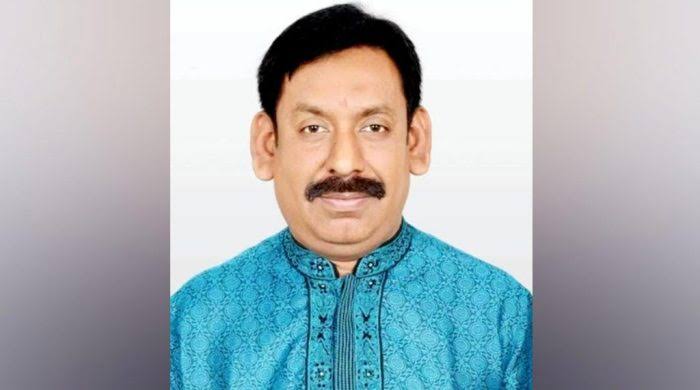
Commerce Minister Khandaker Abdul Muktadir and Australian High Commissioner Susan Ryle have emphasised the importance of further expanding and institutionalising cooperation between Bangladesh and Australia in trade, investment, skills development and research.
Commerce Minister Abdul Muktadir said detailed discussions had been held with the Australian High Commissioner on expanding mutual cooperation in a number of areas, including trade negotiations, capacity building, research cooperation, education, agriculture, livestock and investment, with the aim of deepening the economic relationship between the two countries.
He said the government plans to introduce long-term and institutional training programmes to enhance the skills of government officials in international trade, particularly the rules of the World Trade Organization (WTO) and trade negotiations. An initiative has also been undertaken to establish a research and study centre for this purpose. In the future, there are plans to transform the centre into a regional hub for knowledge and skills exchange.
The Commerce Minister further said that the expertise of project directors is crucial to the successful implementation of the country’s development projects. Therefore, initiatives are being taken to introduce specialised training programmes to strengthen their professional capacity.
Australian High Commissioner Susan Ryle said Australia was interested in supporting such long-term capacity-building programmes.
She said that while training initiatives had previously been conducted on a fragmented basis, discussions were now underway to introduce more structured and continuous programmes. These programmes would include trade negotiations, legal aspects of international agreements and policymaking skills. There is also a possibility of involving other development partners in the initiative.
The two sides are also discussing trade preferences for Bangladesh following its graduation from the LDC category, Bangladesh’s position in the international trading system and future market-access opportunities. Both sides have stressed the importance of maintaining regular dialogue on these issues.
The Australian High Commissioner said bilateral trade between Bangladesh and Australia currently stands at approximately US$5.5 billion and continues to grow steadily.
She said new opportunities for cooperation were emerging in sectors such as education, transnational education, renewable energy, agriculture, food processing and business investment.
She also said an Australian business delegation is planning to visit Bangladesh soon. The visit is expected to play an important role in expanding trade and investment between the two countries.
The two sides have also discussed the possibility of exporting high-quality Australian beef to Bangladesh. In this regard, cooperation in halal certification, traceability of livestock origin and movement, and modern livestock-management systems has also been discussed.
Overall, new avenues of cooperation are opening between Bangladesh and Australia in a wide range of sectors, from trade and investment to education, skills development, research, agriculture, renewable energy and food processing. Continued high-level engagement between the two countries will play an important role in transforming their existing friendly relations into a more institutionalised and long-term partnership.
A Foreign Ministry official said that education and technology have emerged as two of the key drivers of the current bilateral relationship between Bangladesh and Australia. In the context of 2026, Australia is significantly expanding technical and technological cooperation with Bangladesh to support the country’s economic transformation and help it address the challenges associated with its post-LDC-graduation phase.
Education: From Student Mobility to Strategic Partnership
The relationship between Bangladesh and Australia in the education sector is no longer limited simply to sending students abroad. It is increasingly evolving into a strategic and institutional partnership.
There has been significant progress in student enrolment. Bangladesh is currently the fifth-largest source market for international students in Australia. More than 22,000 to 24,000 Bangladeshi students are currently pursuing higher education at universities across Australia.
Australia is also increasingly interested in expanding Transnational Education (TNE) in Bangladesh through direct educational operations and the introduction of joint degree programmes, while increasing investment in this sector.
In May and June 2026, the Australian Trade and Investment Commission (Austrade) organised high-level Australian Education Week and Education Expo events in Dhaka. A number of leading Australian universities participated in these events.
At the beginning of 2026, Australia placed Bangladesh, along with several other countries, in Level 3, or the high-risk category, for the assessment of student visa applications. As a result, applicants currently face more stringent scrutiny and may be required to provide additional documentation when applying for student visas.
Through these measures, Australia is seeking to identify genuine, qualified and academically capable students while reducing irregularities and abuse within the visa system.

Bangladesh–Australia Relations at an All-Time High
New Prospects for Trade and Economic Cooperation