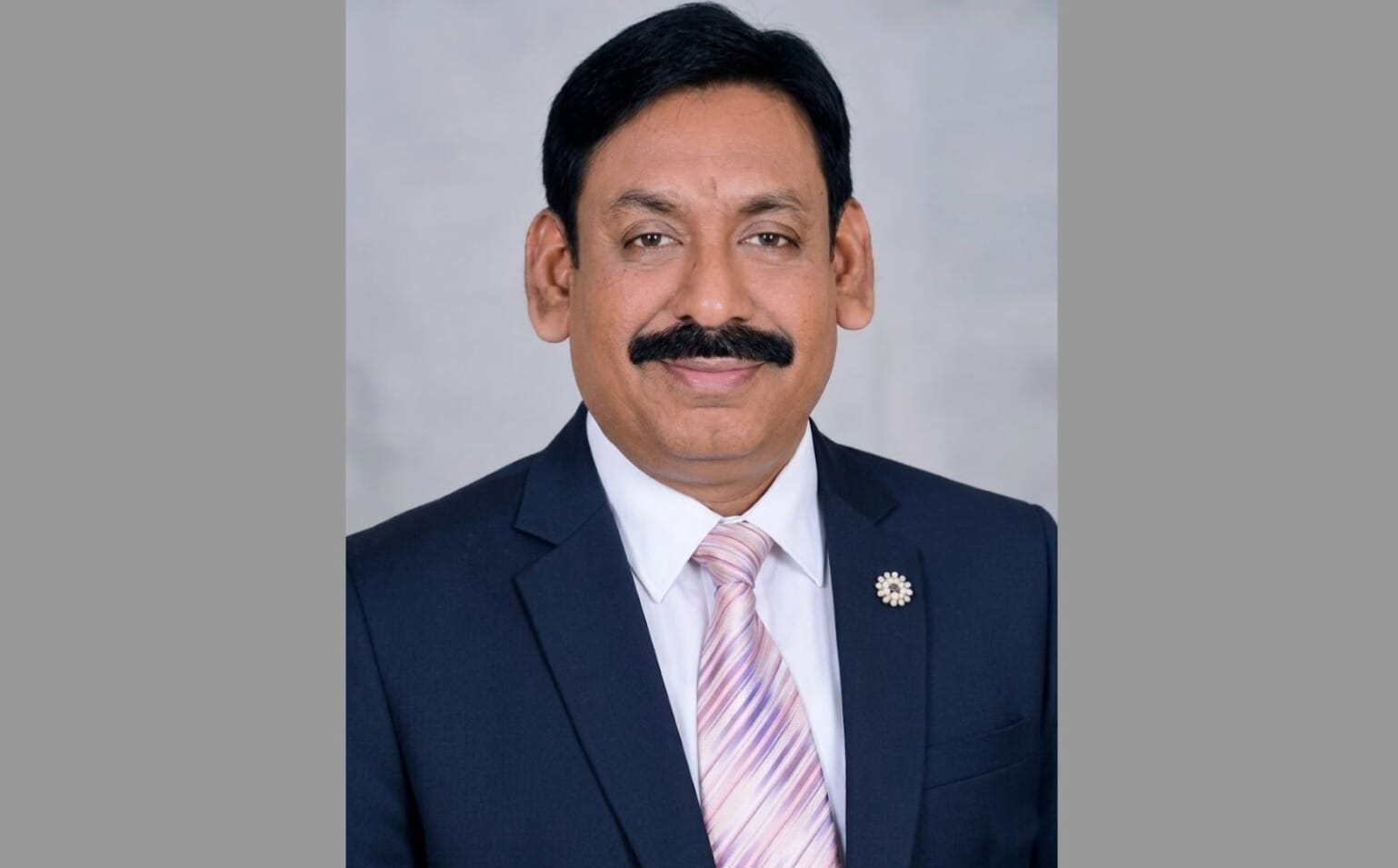
Dr. Md. Mizanur Rahman: Diabetes is one of the most important public health challenges facing the world today. Changes in lifestyle, unhealthy eating habits, weight gain caused by a lack of physical activity, and unhealthy urbanization are contributing to a steady rise in the number of people with diabetes worldwide. According to the World Health Organization and the International Diabetes Federation, two people are newly diagnosed with diabetes every 10 seconds around the world.
Compared with global statistics, the situation in Bangladesh is even more concerning. According to the International Diabetes Federation, about 13.8 million adults in Bangladesh currently have diabetes. The prevalence among people aged 20 to 79 is approximately 13.2 percent. In other words, more than 13 out of every 100 adults in the country have diabetes. The World Health Organization fears that this number could double or rise even further by 2050.
Most concerning of all, a large proportion of people with diabetes in Bangladesh about 39 percent or more—do not know that their blood glucose levels are higher than normal. Because they have not been tested, their diabetes remains undiagnosed. This can increase their risk of complications, including kidney, eye, heart and nerve problems. That is why diabetes prevention and control require more than medication: early awareness and regular health checks are also essential. To highlight the importance of early awareness, the theme of World Diabetes Day on November 14, 2026, is “Early Action on Diabetes.” Its central message is to identify risks before the disease develops, diagnose it at an early stage, and take timely steps to prevent and treat it.
Many people believe that diabetes affects only older adults. However, the risk is rising among young and middle-aged people as well. Others believe that diabetes depends only on sugar or diet. In reality, it is a more complex, long-term metabolic disease, primarily classified into two types: Type 1 and Type 2. The body either does not produce enough insulin or cannot use the insulin it produces effectively. As a result, glucose levels in the blood rise.
In Type 1 diabetes, the body’s immune system attacks the cells that produce insulin. In Type 2 diabetes, the body does not respond properly to insulin, and insulin production may also decline over time. This disrupts the body’s normal blood glucose levels and can lead to various complications. One of the most dangerous aspects of Type 2 diabetes is that it can go unnoticed for a long time without clear symptoms. Without early awareness, complications such as vision loss, heart disease, stroke, nerve damage and kidney failure may develop. Foot ulcers can also occur and, in some cases, may lead to amputation. It is therefore very important to know the symptoms of diabetes and have regular health checks.
Common symptoms include unusual hunger, unexplained weight loss, excessive thirst, frequent urination, fatigue, blurred vision and wounds that heal slowly. If these symptoms occur, tests such as fasting plasma glucose, HbA1c and, when needed, an oral glucose tolerance test should be performed on a doctor’s advice. People who are overweight, older, have a family history of diabetes or high blood pressure, are physically inactive, or have previously had gestational diabetes should have their blood glucose checked regularly as advised by a doctor.
People diagnosed with diabetes should also have regular blood pressure and cholesterol checks, kidney function and urine albumin tests, retinal examinations and foot health checks, in addition to other tests. They should have HbA1c tests at the intervals recommended by their doctor and take prescribed medication regularly.
A diet that includes vegetables, moderate portions of fruit, lentils, fibre-rich foods and balanced meals in appropriate amounts, as advised by a doctor, can also help prevent diabetes. Depending on a person’s health, they may need to limit excess sugar, sweets, soft drinks, foods high in oil and fat, and processed foods. Regular physical activity is essential for diabetes prevention. People who are overweight should aim to reduce their weight gradually according to their body mass index (BMI). A person with diabetes should get at least 150 minutes of moderate-intensity physical activity per week. They should try to exercise regularly on at least three days a week, without taking a break of more than two consecutive days.
After a diabetes diagnosis, patients should promptly take part in an educational programme about the disease. This could include several sessions totalling at least 10 hours over a period of 6 to 12 months. Patients should avoid smoking and manage other risk factors, including high blood pressure and high cholesterol. Families, in particular, should pay attention to children’s and adolescents’ eating habits and physical activity. Encouraging healthy food, regular walking and sports from an early age can reduce the risk of many non-communicable diseases later in life.
It is important to remember that diabetes treatment varies from person to person. For some, lifestyle changes and medication may be enough; others may need insulin. Stopping medication, changing the dose without medical advice or relying on alternative treatments can be dangerous.
Early awareness of diabetes is essential to reducing its risks. Individuals, communities and the government all have a role to play in raising awareness. Schools, colleges, universities and workplaces should provide health education on diabetes prevention. Cities should have more walkable footpaths, parks and spaces for sports. Government agencies, the media and medical professionals should work together on regular awareness campaigns to strengthen preventive diabetes care in Bangladesh.
Screening should be more widely available to people at risk of diabetes at upazila health complexes and primary healthcare centres. Affordable blood glucose and other necessary tests, accessible insulin and essential medicines, and quality treatment should be available to people in both rural and urban areas. Early awareness can help prevent diabetes. And when diabetes is diagnosed, appropriate treatment, regular monitoring and a healthy lifestyle can help people with the condition lead active and fulfilling lives.
It is therefore essential to understand the risks of diabetes and take timely action. Along with starting treatment after diagnosis, people should develop the habit of identifying risks before diabetes develops, taking preventive steps at the prediabetes stage and getting regular health checks.
This year’s World Diabetes Day theme carries the same message: take early action to prevent and control diabetes without delay. Early action means more than regular blood tests. It includes assessing diabetes risk, identifying and preventing the disease early, starting treatment on time and providing long-term care. With responsible support from healthcare professionals, personal awareness, family cooperation and coordinated government action, Bangladesh can substantially reduce the risks and complications of diabetes.
About the author
Dr. Md. Mizanur Rahman
Physician and columnist
Resident Medical Officer, United Healthcare Service Limited, Dhaka.
Email: [email protected]